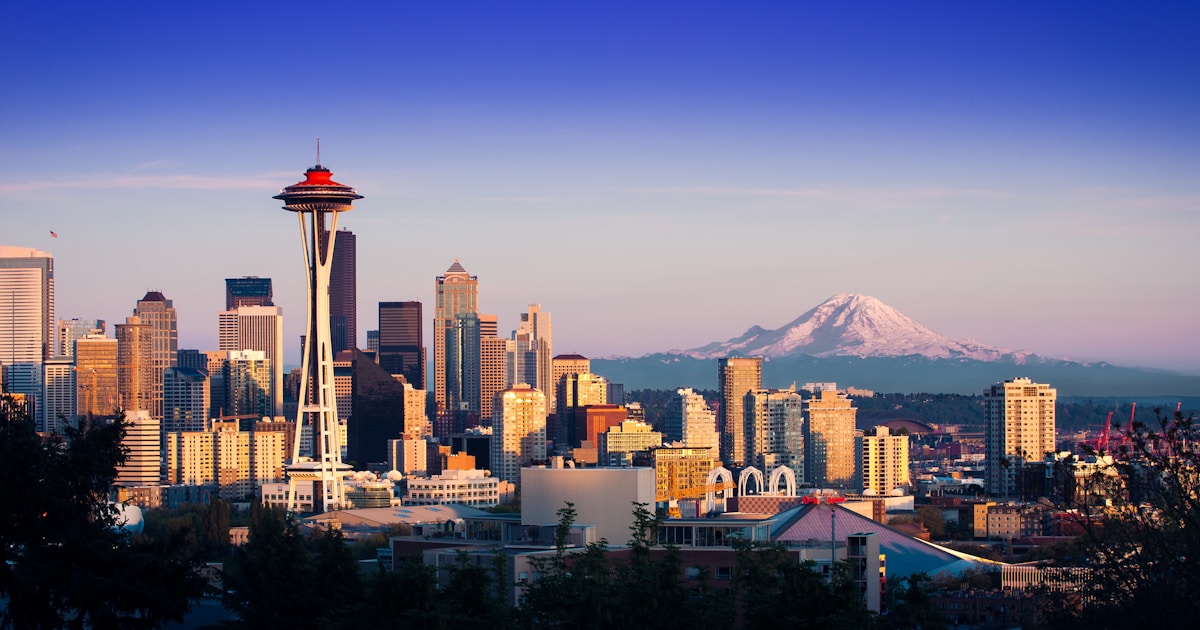
Seattle has always been synonymous with grey skies and drizzle. But recent climate data tells a more complicated story — one where the Pacific Northwest’s most famous city is quietly becoming sunnier, warmer, and less predictable than anyone expected.
The ‘Rain City’ Reputation Is Outdated
Seattle averages 150 days of measurable precipitation per year — less than cities like Houston, Miami, or even New York. The difference is that Seattle’s rain comes as a persistent, low-grade drizzle that stretches across months, rather than intense storms. It’s the perception of constant rain that built the reputation, not the actual volume.
But even that perception is shifting. NOAA data shows a 12% increase in cloudless days over the past decade, particularly during spring and autumn. Summers have always been Seattle’s secret weapon — warm, dry, and stunning — but now the pleasant weather is bleeding into shoulder seasons that used to be reliably grey.
Climate Change Is Rewriting the Playbook
Summers are getting dangerously hot. The 2021 heat dome that pushed temperatures past 108°F was a wake-up call. What was once a city where most homes didn’t need air conditioning is now grappling with heatwaves that strain the power grid and threaten vulnerable populations.
When it rains, it pours — literally. Climate models predict that while overall rainy days may decrease, individual rain events will become more intense. That’s a problem for a city built on hills with aging stormwater infrastructure designed for gentle drizzle, not downpours.
The snowpack is shrinking. Seattle’s summer water supply depends on mountain snowpack that melts gradually through the dry months. Rising temperatures mean less snow, earlier melt, and potential water shortages in a city that rarely thinks about drought.
How Seattle Is Adapting
The city isn’t sitting still. The Green Seattle Partnership is restoring native vegetation to absorb excess rainfall. Urban planners are deploying permeable pavement and expanding green roofs downtown. The transit system is being weatherproofed against both heat and flooding.
But adaptation costs money, and Seattle’s boom-era tax revenues are under pressure from a tech slowdown. The question isn’t whether the city needs to change — it’s whether it can change fast enough to keep pace with a climate that’s moving faster than anyone predicted.
What This Means for Everyone Else
Seattle’s weather story isn’t unique — it’s a preview. Cities across the Pacific Northwest, from Portland to Vancouver, are experiencing similar shifts. The region that Americans once avoided because of the rain may soon be dealing with problems more commonly associated with California: heat, drought, and wildfire smoke.
For now, Seattle remains one of the most livable cities in America. The rain still falls, the coffee is still excellent, and the mountains are still breathtaking. But the weather that defined the city for generations is changing, and with it, so is Seattle itself.